What are AED Pads?
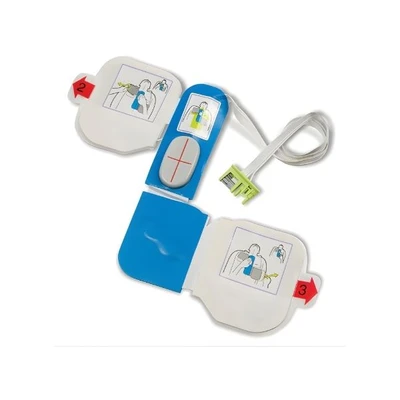
AED pads (also called AED patches) are adhesive electrode pads that connect a patient’s body to a defibrillator device. These pads help the AED analyze heart rhythm and, if needed, deliver a controlled electric shock.
In simple words, without proper defibrillator pads, an AED machine cannot function effectively.
Why Defibrillator Pads are Important?
In emergency medical situations, timing and accuracy matter the most. High-quality defib pads ensure:
• Proper detection of heart rhythm
• Accurate energy delivery from the AED
• Strong adhesion during use
• Reliable performance in critical moments
Correct placement of defibrillator pads on patient is also important for effective results, which is why trusted, well-designed pads are always recommended.
How AED Pads Work?
When defibrillator pads are placed on patient, they create a pathway between the AED machine and the heart.
• The pads send signals to the AED
• The AED analyzes the heart rhythm
• If needed, energy is delivered through the same pads
This entire process depends heavily on the quality and condition of the AED patches.
Types of AED Pads Available
Choosing the correct type of AED pad is important for safety and effectiveness. Below are the main categories:
1. AED Adult Pads
AED adult pads are the most commonly used type and are designed for adult patients.
Key Features:
• Standard energy delivery levels
• Larger surface area for better contact
• Suitable for hospitals, clinics, ambulances, and public access AEDs
• This Adult AED Pad price range is ₹ 3,500 - ₹ 18,000
These are typically the default defibrillator pads used in most setups.
2. Pediatric AED Pads
Pediatric AED pads are specially designed for children.
Key Features:
• Lower energy output for safety
• Smaller size for proper placement
• Often required in schools, pediatric departments, and child-care facilities
• Pediatric AED Pads will cost you ₹ 4,200 - ₹ 22,000
Using the correct paediatric AED pads ensures appropriate energy delivery based on body size.
3. Pre-connected / Cartridge-Based Pads
Some AED systems come with pre-connected defib pads, which:
• Save time during emergencies
• Reduce setup errors
• Are ready-to-use immediately
These are ideal for high-readiness environments.
Key Features to Look for in Defibrillator Pads
When selecting defibrillator pads, focus on quality and usability rather than just price.
- Strong Adhesion: Pads should stick firmly even in challenging conditions.
- High Conductivity Gel: Ensures effective signal transmission and energy delivery.
- Clear Placement Diagrams: Helps users correctly place defibrillator pads on patient.
- Long Shelf Life: Reduces frequent replacement costs.
- Device Compatibility: Always match pads with your AED model.
AED Pad Price in India
Defibrillator AED pad price depending on the many things like their brand, shelf life of pad, device compatibility, and patient types (Adult or Child). In India you can see the AED pad price start from ₹ 3,500 and goes up to 24,000.
Here are the factors that can affect the price:
1. Brand (Philips, Zoll, Nihon Kohden, etc.)
2. Adult vs pediatric type
3. Shelf life (longer shelf life = better value)
4. Gel quality and conductivity
5. Connector compatibility
6. Imported vs locally available stock
Points to Keep in Mind Before Buying AED Pads
Price is not all things while buying defibrillator AED pads, it’s about the reliability, compatibility, and readiness in emergency.
Here are the very important points, you should have to consider while purchasing defib pad:
• Device Compatibility: All AED pads are not universal. Different AED brands use different connectors and specifications
• Choose the Right Type AED Pad: Different patients need different pads:
AED adult pads → standard use
Pediatric AED pads → lower energy, smaller size
Some pads support both categories, but not all. Always confirm before buying.
• Check Shelf Life (Expiry Date): AED patches have limited shelf life, because the gel can dry out. Typically defib pad shelf life around 18-36 months, and the expired pad will not work properly. So, you have to always check the manufacturing and expiry date before buy.
• Adhesive & Gel Quality: Quality of gel can affect the performance of defibrillator pad. Shop strong adhesive pad, high-quality conductive gel, even current distribution to avoid burns, and more.
• Clear Placement Guide: Good quality AED pads come with printed diagrams, which helps correct placement of defibrillator pads on patient. Also reduces user confusion about placing the pads.
Frequenty Asked Questions (FAQ's)
What is the cost of AED defibrillator pads?
AED defibrillator pads price range is ₹ 3,500 - ₹ 24,000 in India
What is the correct placement of the AED pads?
The AED pads need to be positioned on a dry and bare chest diagonally with each pad attached to opposite sides of the chest. One electrode needs to be applied to the upper right side of the chest beneath the collarbone while the other should be positioned at the bottom left side of the chest below the armpit.
Can AED pads be used in the rain or water?
Absolutely, AED pads can be utilized in rain or near water bodies. Move the patient to a dry place if at all possible and quickly dry the patient’s chest before placing the pads. No person should touch the victim during shock administration.
_small.webp)
_small.webp)