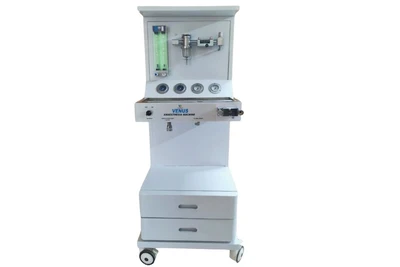
What is an Anesthesia Machine?
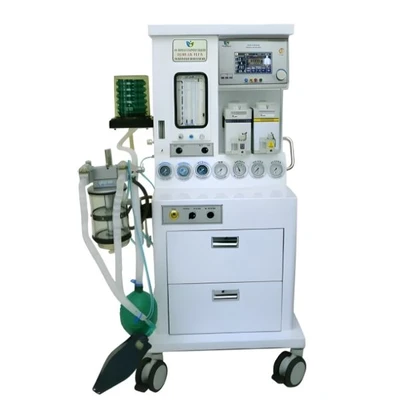
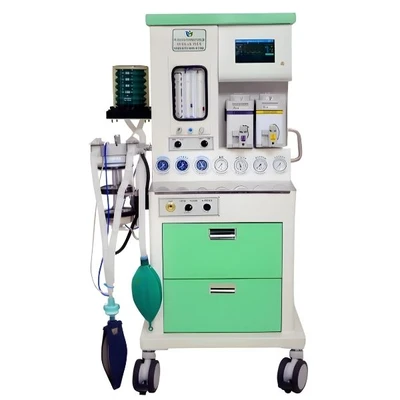
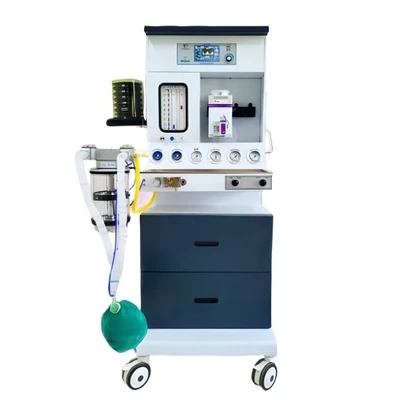
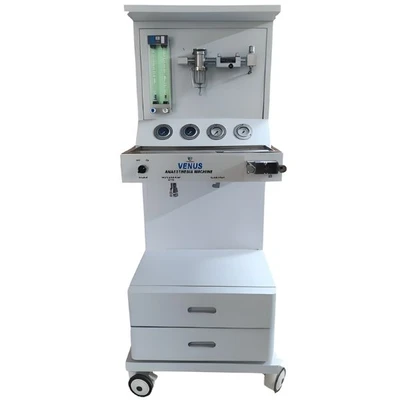
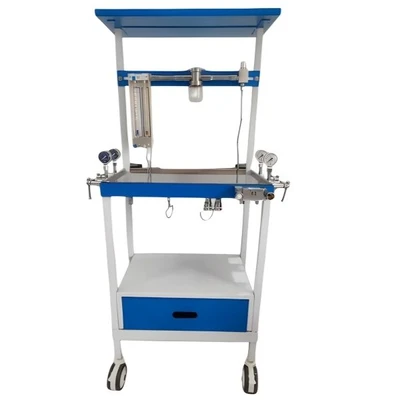
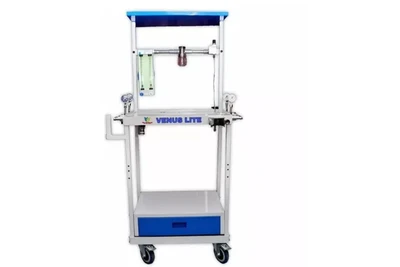
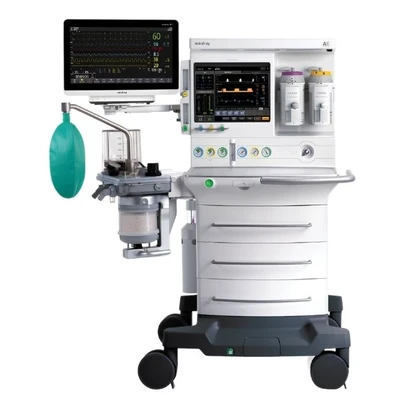
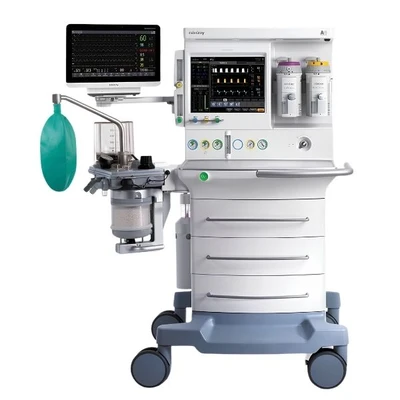
An anesthesia machine is a medical device used in operation theatres to deliver a controlled mixture of oxygen, medical gases, and anaesthetic agents to the patient during surgery. It also supports breathing when required and, in modern systems, can integrate patient monitoring and safety features to help the anaesthesiologist manage the patient throughout the procedure.
A modern anaesthesia apparatus combines gas delivery, vaporizers, breathing systems, and mechanical ventilation in one workstation. Depending on the model, it may also offer features such as integrated SpO2, EtCO2, blood pressure, and other patient monitoring parameters.
For hospitals and clinics, the right anesthesia machine should be selected based on the type of surgeries performed, patient categories, expected workload, ventilation requirements, monitoring needs, and available OT infrastructure.
How Does an Anesthesia Machine Work?
An anesthesia machine works by controlling the flow of medical gases, adding the selected anaesthetic agent, and delivering the gas mixture to the patient through a breathing system. Depending on the patient's condition and the procedure, the ventilator can provide mechanical breathing support.
The main components include:
Gas Delivery System: Controls the supply and flow of gases such as oxygen, medical air, and nitrous oxide, depending on the machine configuration.
Vaporizer: Converts the liquid anaesthetic agent into a controlled vapour concentration before it reaches the breathing circuit.
Breathing Circuit: Connects the machine to the patient and carries the gas mixture to the patient while allowing exhaled gases to return through the breathing system.
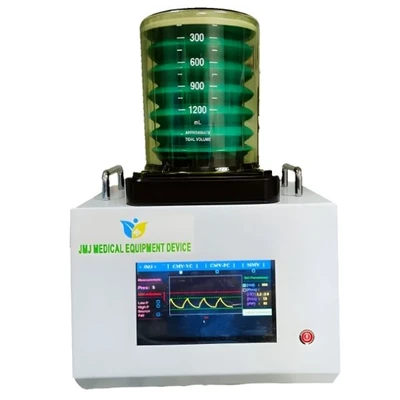
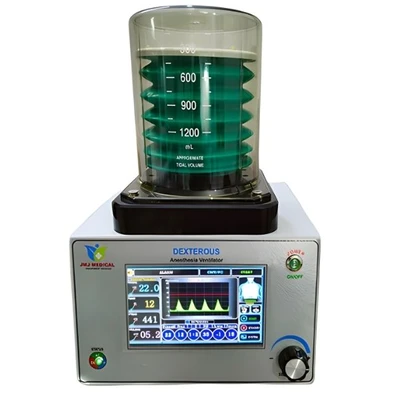
Ventilator: Provides mechanical ventilation when the patient cannot maintain adequate breathing independently. Different machines offer different ventilation modes and control options.
Patient Monitoring: Depending on the model, integrated monitoring may include parameters such as SpO2, EtCO2, ECG, respiratory rate, and non-invasive blood pressure.
Safety Systems: Modern machines may include oxygen failure protection, pressure monitoring, low-gas alarms, disconnection alarms, and other safety mechanisms.
Together, these components allow the anaesthesia apparatus to manage gas delivery and ventilation from a single workstation, while giving the anaesthesiologist the controls and information needed during surgery.
Explore Anesthesia Machines by Type
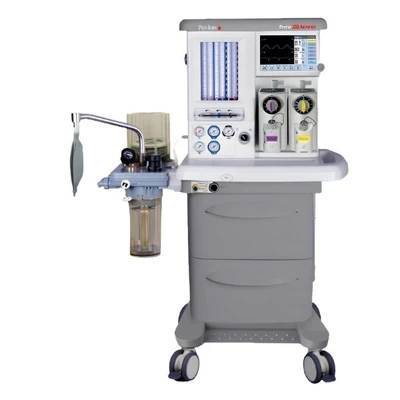
Basic Anesthesia Machine
A practical option for smaller hospitals, clinics, and OTs that mainly perform routine surgical procedures. These machines generally focus on essential gas delivery, vaporizer, breathing system, and ventilation functions.
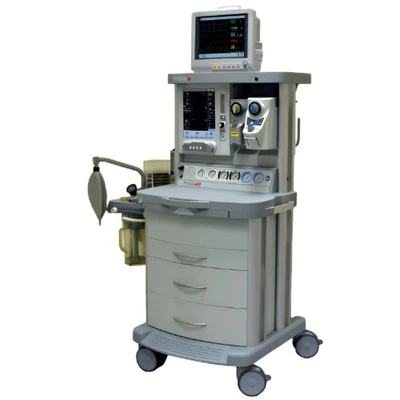
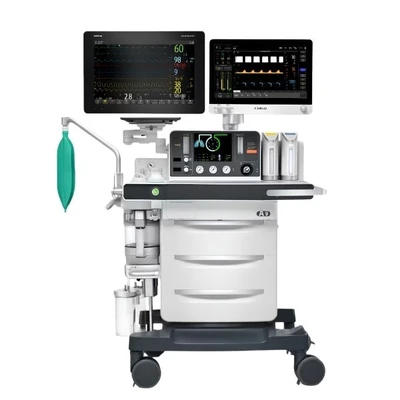
Advanced Anesthesia Machine
Designed for hospitals and high-volume OTs that require more advanced ventilation, monitoring, and control features. Depending on the model, these systems may include multiple ventilation modes, electronic gas control, integrated monitoring, and advanced alarms.
OT Anesthesia Machine
Built for regular operation theatre use, with features selected around surgical workload, ventilation requirements, patient monitoring, and compatibility with other OT equipment.
Anesthesia Gas Machine & Vaporizer
This category includes gas delivery systems and vaporizers used for controlled delivery of anaesthetic agents. When purchasing, check vaporizer compatibility, gas configuration, flow control, and safety features.
Portable Anesthesia Machine
Compact systems designed for situations where mobility is important, such as smaller procedure rooms, day-care surgery, emergency applications, and selected transport or field-care environments.
Pediatric Anesthesia Machine
Designed to provide the lower flows and ventilation control often required for pediatric patients. When selecting a pediatric-capable machine, pay close attention to minimum flow, tidal volume range, breathing circuits, and pediatric/neonatal ventilation capabilities.
Use of Anesthesia Machine in OT
The primary use of anesthesia machine in an operation theatre is to provide controlled delivery of anaesthetic gases and support the patient's breathing during surgery.
A typical anesthesia machine in OT may include:
• Medical gas supply and flow control
• Anaesthetic vaporizer
• Breathing circuit
• Mechanical ventilator
• APL valve and breathing-system components
• CO2 absorption system in applicable configurations
• Patient monitoring
• Pressure and gas-related alarms
• Backup and safety systems
The exact configuration depends on the machine model and the requirements of the OT. Hospitals should therefore select an anesthesia workstation based on the procedures performed, patient population, ventilation needs, and monitoring requirements rather than choosing only on price.
_small.webp)
_small.webp)
_small.webp)