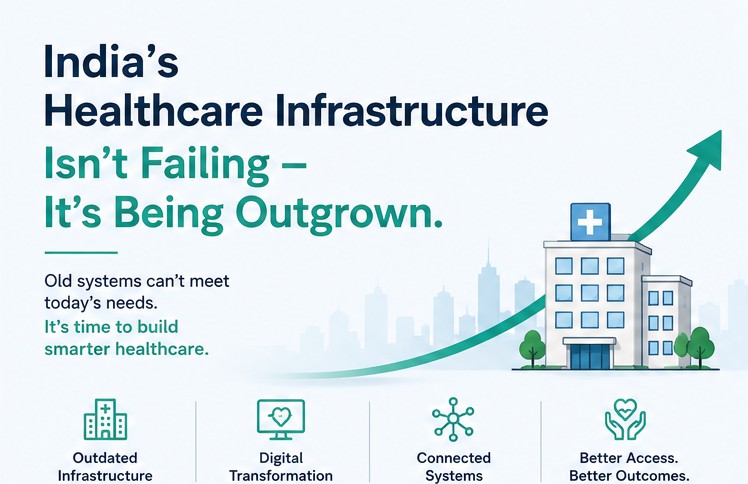
Healthcare’s changing fast. Hospitals aren’t just treating patients anymore—they’re rolling out smart technology to boost efficiency, keep patients safer, and help doctors make real-time decisions. That’s why Smart ICUs are popping up everywhere. A Smart ICU isn’t just some high-tech intensive care unit. It’s like a whole ecosystem where smart monitors, connected devices, healthcare software, and real-time data analytics all work together. The result? Patients get care that’s quicker and more precise. With healthcare going digital, hospitals, procurement teams, and medical technology suppliers are all putting Smart ICU infrastructure at the top of their list. It’s clear: this is where the industry’s headed.
What is a Smart ICU?
A Smart ICU takes critical care to another level. It’s built to make patient monitoring easier, automate routines, and give doctors and nurses real-time information when they need it most. In a regular ICU, staff spend a lot of time watching over monitors and juggling equipment that doesn’t always talk to each other. But Smart ICUs tie everything together. All the devices are linked, constantly sending patient data to a single platform so the whole team stays in the loop.
This allows doctors and medical staff to:
-
Monitor patients in real time
-
Detect health risks earlier
-
Reduce response time during emergencies
-
Improve coordination between departments
-
Deliver more accurate and data-driven treatment The primary objective of Smart ICU technology is to create a safer, faster, and more efficient critical care environment.
Why Smart ICU Technology is the Future of Healthcare?
The demand for intelligent healthcare infrastructure is increasing due to several major industry challenges:
-
Rising patient volumes
-
Shortage of healthcare professionals
-
Growing need for remote healthcare services
-
Increased focus on patient safety
-
Demand for operational efficiency To address these challenges, hospitals are adopting digital healthcare technologies that improve critical care management while reducing manual workload. Smart ICU systems are helping healthcare organizations move toward predictive, connected, and technology-driven patient care models.
Key Technologies Powering Smart ICU Solutions
Real-Time Patient Monitoring Systems
One of the biggest advantages of Smart ICU infrastructure is continuous patient monitoring. Advanced sensors and monitoring devices track:
-
Heart rate
-
Oxygen saturation
-
Blood pressure
-
Respiratory patterns
-
Temperature
-
Neurological activity
Healthcare providers no longer have to conduct manual checks and get second-by-second updates on their patients. The system can send alerts to physicians and nurses whenever an abnormal change occurs. The ability to respond more quickly and appropriately during a critical moment can greatly enhance patient outcomes.
Artificial Intelligence in Critical Care
Artificial Intelligence is becoming one of the most important technologies in modern ICU management. AI-powered healthcare systems can analyze large amounts of patient data in real time and identify hidden patterns that may not be immediately visible to medical teams. For example, AI systems can:
-
Predict patient deterioration
-
Detect early signs of infection or organ failure
-
Support clinical decision-making
-
Prioritize high-risk patients
-
Reduce unnecessary delays in treatment Rather than replacing healthcare professionals, AI acts as a support system that helps doctors make faster and more informed decisions.
Connected Medical Devices and IoT Integration
The future of Smart ICU depends heavily on connected healthcare ecosystems. Medical devices such as:
-
Imaging systems
-
Patient monitoring devices
can now communicate through IoT-enabled healthcare networks. This integration eliminates data silos and creates a centralized system where healthcare teams can access complete patient information from a single dashboard. Benefits include:
-
Reduced manual documentation
-
Better workflow efficiency
-
Improved device coordination
-
Lower risk of human error
-
Faster access to patient data
Remote ICU Monitoring and Tele-ICU
Remote ICU monitoring is gaining traction in the healthcare industry, specifically in hospital and healthcare networks with multiple locations. With cloud-enabled Smart ICU platforms, critical care specialists can undertake remote monitoring, eliminating the need for their physical presence in the ICU. This technology helps:
-
Improve specialist accessibility
-
Support rural and underserved hospitals
-
Reduce ICU management delays
-
Enable 24/7 expert supervision
-
Improve healthcare scalability Tele-ICU systems are expected to play a major role in the future of global healthcare infrastructure.
Data-Driven Healthcare and Predictive Analytics
Healthcare is moving from reactive treatment toward predictive care. Smart ICU systems continuously collect patient data and use predictive analytics to support better treatment planning. This allows hospitals to:
-
Identify health risks earlier
-
Optimize ICU resource allocation
-
Improve treatment accuracy
-
Reduce hospital stay duration
-
Enhance overall patient experience Data-driven healthcare is helping hospitals improve both clinical outcomes and operational performance.
Cybersecurity and Smart ICU Infrastructure
As healthcare systems become more connected, data security is becoming increasingly important. Smart ICU environments handle highly sensitive patient information and connected medical devices, making cybersecurity a critical part of healthcare infrastructure planning. Modern Smart ICU systems now include:
-
Secure cloud platforms
-
Encrypted healthcare data systems
-
Access control management
-
Real-time threat monitoring
-
Compliance-focused healthcare security frameworks Healthcare organizations are prioritizing secure digital infrastructure to protect patient data and maintain uninterrupted critical care operations.
The Role of Healthcare Procurement in Smart ICU Adoption
Healthcare procurement teams are playing a major role in the adoption of Smart ICU technologies. Modern hospitals are looking for:
-
Scalable ICU infrastructure
-
Integrated healthcare platforms
-
AI-enabled monitoring systems
-
Reliable medical technology providers
-
Future-ready healthcare solutions Procurement decisions now go beyond purchasing equipment. Hospitals are investing in long-term healthcare technology ecosystems that improve efficiency, patient care quality, and operational sustainability. Selecting the right Smart ICU solutions can directly impact:
-
Patient safety
-
Hospital efficiency
-
Clinical workflow
-
Infrastructure scalability
-
Long-term healthcare costs
Benefits of Smart ICU Solutions
Improved Patient Outcomes
Continuous monitoring and intelligent alerts help doctors respond faster during critical situations.
Faster Clinical Decision-Making
Real-time patient insights support quicker and more accurate treatment decisions.
Reduced Workload for Healthcare Staff
Automation reduces repetitive manual tasks and improves operational efficiency.
Better ICU Resource Management
Hospitals can optimize staff allocation, equipment usage, and patient flow management.
Enhanced Patient Safety
Connected systems help minimize medical errors and improve care coordination.
Scalable Healthcare Infrastructure
Smart ICU systems support future healthcare expansion and digital transformation goals.
The Future of Critical Care is Smart
Intelligent systems, rooted data infrastructures, and integrated ecosystems will characterize the future of patient-centered healthcare. The Smart ICU technology allows hospitals to establish critical care environments that are more efficient, safe, fast, and supportive of healthcare professionals as they perform their roles with advanced digital tools. As healthcare systems continue to build on Smart Healthcare Infrastructure, Smart ICU solutions will pave the way for the critical care systems of the future. For hospitals, healthcare procurement leaders, and medical technology suppliers, Smart ICU technology is about more than innovation. It is about establishing patient-centric care and operational excellence that will stand the test of time.