Electric Suction Machine Trolley
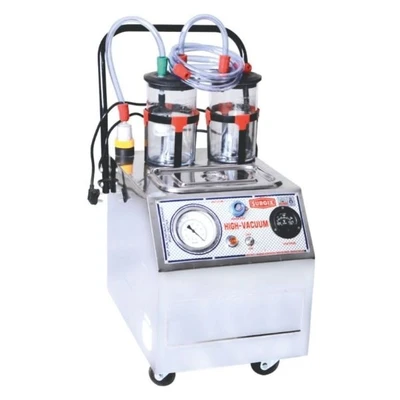
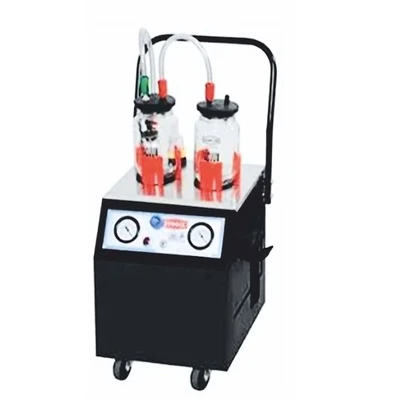
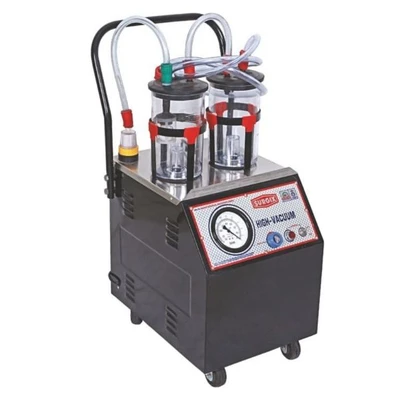
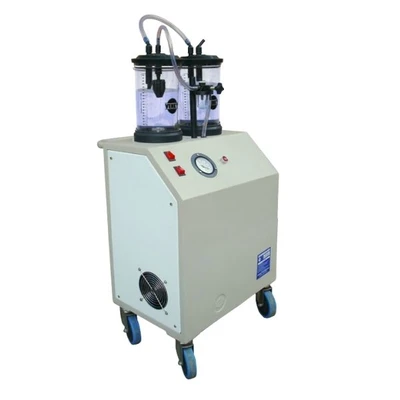
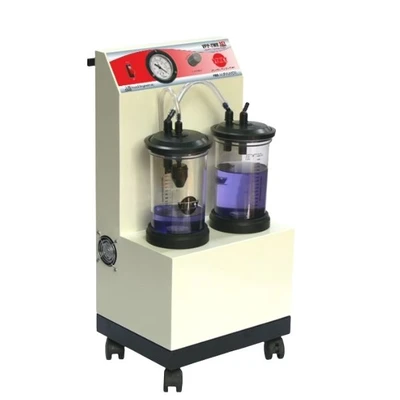
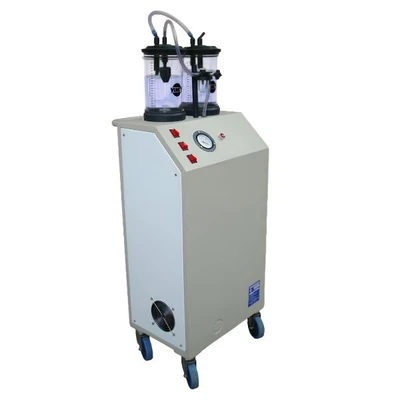
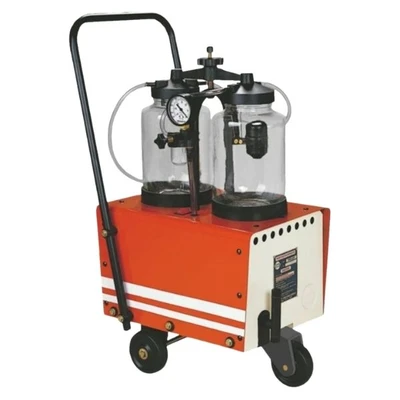
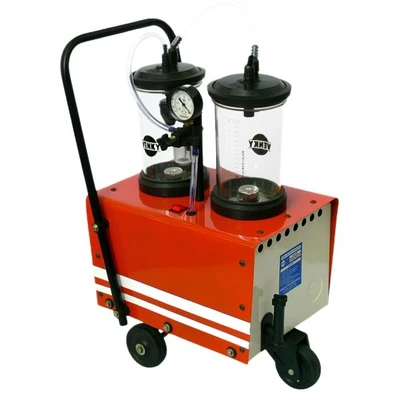
Anand Hi-Vac Pluss Oil Free Piston Pump Suction Machine - (2 x 2.5 ltr Polycarbonate Jar)
_small.webp)
₹50,900
₹75,49833% off
Buy Now
 Suction Machine_small.webp)
_small.webp)
Loading details...
When doctors talk about essential emergency medical equipment, an electric suction machine is always on that list. It may not look as advanced as a monitor or ventilator, but during surgeries, ICU care, respiratory emergencies, or patient transport, this machine plays a very important role.
Its job is simple removing unwanted fluids from the body. But in real medical situations, that “simple job” can help a patient breathe properly, keep a surgical area clean, and even prevent serious complications.
Today, electric suction machines are used everywhere; hospitals, clinics, ambulances, dental setups, nursing homes, and home care. Because of their continuous suction performance and easy handling, they have become a standard requirement in modern healthcare.
If you are planning to buy an electric suction machine online, understanding its types, uses, features, and buying factors can help you choose the right model according to your requirement and budget.
An electric suction machine is a vacuum-based medical device used to remove fluids such as mucus, saliva, blood, vomit, or respiratory secretions from a patient’s airway or treatment area.
The machine creates negative pressure through a motor system. This suction pressure pulls fluids through a tube into a collection jar attached to the machine.
In hospitals, these machines are commonly used during:
For home-care patients, suction machines are often used for tracheostomy care, elderly patient care, and respiratory disorders where patients cannot clear secretions naturally.
One thing experienced healthcare professionals always focus on is reliability. During emergencies, doctors cannot afford interruptions or weak suction performance.
This is where electric suction machines become more useful than manual suction pumps.
Electric models provide:
In critical care situations, strong and uninterrupted suction can make procedures smoother and safer for both patient and medical staff.
Another reason hospitals prefer electric suction apparatus is hygiene. Modern machines come with bacterial filters and overflow safety systems that help reduce contamination risks.
Different healthcare environments require different suction capacities. That’s why suction machines are available in multiple designs.
Portable models are compact, lightweight, and easy to move. These are mainly used in:
Many portable suction machines also support battery backup, which is helpful during travel or power cuts.
These machines are ideal for patients who require regular suction therapy at home.
Trolley suction machines are designed for hospitals and operation theatres where heavy-duty usage is common.
These machines usually come with:
They are suitable for long surgeries and intensive patient care.
Surgical suction machines are specially designed for operation theatres where rapid blood and fluid removal is necessary.
These models generally offer:
Many buyers compare suction machines only by price, but practical performance matters much more in medical equipment.
Here are some features professionals usually check before purchasing.
Suction Power
Higher suction capacity is important for surgeries and ICU applications. Low suction pressure may not perform properly during heavy fluid removal.
Flow Rate (LPM)
Flow rate tells how quickly fluids can be removed. Higher LPM machines provide faster suction performance.
Noise Level
Low-noise operation becomes important in patient rooms and home-care environments. Modern electric suction machines are designed to work quietly without disturbing patients.
Jar Capacity
For hospitals and operation theatres, larger collection jars are preferred because they reduce frequent cleaning interruptions.
Oil-Free Pump
Oil-free pumps require less maintenance and provide cleaner operation. Most modern medical suction machines now use maintenance-free systems.
Safety Protection
Advanced models may include:
These features improve both safety and machine life.
People often think suction machines are only used during surgeries, but their applications are much wider.
These machines are regularly used in:
In many emergency cases, airway blockage caused by mucus or fluids can become dangerous. A suction machine helps clear the airway quickly and improves breathing support.
Electric suction machine prices in India vary according to machine type, suction capacity, motor quality, and intended medical use.
Basic portable suction machines are usually more budget-friendly and suitable for home care.
On the other hand, surgical and hospital-grade trolley suction machines are priced higher because they are built for continuous heavy-duty operation.
Price differences usually depend on:
Buying the cheapest machine is not always the right decision, especially when the equipment is being used in hospitals or emergency care.
The best suction machine is the one that matches your actual requirement.
For example:
Before purchasing, always check:
Choosing the correct machine helps improve efficiency and reduces long-term maintenance problems.
Buying electric suction machines online makes product comparison easier. You can compare features, specifications, suction capacity, and pricing according to your requirement. Here following thigns why should you buy suction machine from us.
A good electric suction machine is not just a device — it becomes a reliable support system during emergencies, surgeries, respiratory care, and patient recovery.
What is an electric suction machine mainly used for?
It is used to remove mucus, blood, saliva, and other fluids from the airway or treatment area.
Can electric suction machines be used at home?
Yes, portable suction machines are commonly used for home respiratory care and tracheostomy patients.
Which suction machine is better for hospitals?
Hospitals usually prefer trolley-mounted or surgical suction machines with higher vacuum capacity and continuous operation support.
Are battery-operated suction machines useful?
Yes, they are very useful for ambulances, emergency transport, and areas with power backup issues.
How often should a suction machine be cleaned?
The collection jar, tubing, and filters should be cleaned regularly to maintain hygiene and proper machine performance.