Surgeon Headlamp
Loading details...
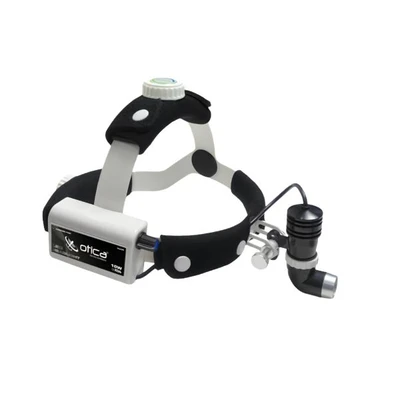
A surgical headlight provides bright, focused illumination exactly where the surgeon is looking, keeping both hands free during a procedure. Our range includes battery-powered surgical headlights, portable LED surgeon headlamps and loupe-mounted lights designed for operating rooms, ENT departments, dental clinics, plastic surgery and other medical procedures.
Each product listing includes important details such as light intensity (lux), spot size and battery runtime at a specified working distance. This makes it easier to compare different models and choose the right surgical headlight for your requirements.
Surgical headlights are also known as surgeon headlights, surgical headlamps, surgical head lamps, surgical head lights, surgeon head lights and surgeon head lamps. These terms generally refer to the same type of equipment: a head-mounted light with an adjustable beam, usually powered by a rechargeable battery.
A surgical headlight, also called a surgeon headlamp, is a
medical light worn on the head that directs a bright beam onto the surgical
area. Since the light moves with the surgeon's line of sight, it helps reduce
shadows caused by the surgeon's head or hands.
It is particularly useful when working in deep or narrow
surgical areas where consistent illumination is important. A surgical headlight
is designed to work alongside the main operating room light, not replace it.
Surgeons use headlights to get clear and focused illumination without having to hold a separate light source during a procedure.
Tip: Avoid using a surgical headlight as the only light source in a completely dark room. The strong contrast between the illuminated area and its surroundings can cause eye strain. Using it with ambient or overhead lighting provides a more comfortable working environment.
Different surgical headlamps are designed for different working conditions. The main differences are in their power source, mounting style, weight and mobility.
|
Type |
How It Works |
Best For |
Trade-Off |
|
Cordless LED |
Battery is fitted into the headband or a rear-mounted module. |
Clinics, mobile use and procedures requiring freedom of movement. |
Can add weight to the head. |
|
Corded LED with Belt Battery |
Battery is worn on the belt and connected to the headpiece through a cable. |
Long procedures where reducing head weight is important. |
Requires proper cable management. |
|
Fibre-Optic (Xenon / Halogen) |
Uses an external light source connected to the headpiece through a fibre-optic cable. |
Operating theatres requiring high light output and already equipped with light sources. |
Requires a cable and additional equipment. Cable tips can also become hot. |
|
Loupe-Mounted LED |
Light is attached directly to the surgical loupe frame. |
Microsurgery, dental procedures, plastic surgery and ENT work requiring magnification. |
Limited to compatible loupe systems. |
|
Hybrid |
Uses an internal rechargeable battery with a replaceable-cell backup. |
Procedures where backup power is important. |
Fewer models are available. |
Battery-powered surgical headlights offer greater freedom of movement, especially in clinics and operating rooms where portability matters. However, battery capacity, weight and charging time can make a significant difference during longer procedures.
Here are a few things to check before choosing a model:
Before buying a surgical headlight, compare the specifications that directly affect illumination, comfort and daily use.
|
Specification |
What to Look For |
Why It Matters |
|
Lux at Working Distance |
Light intensity specified at a particular distance, such as lux at 30 cm. |
Lux values without a stated distance are difficult to compare accurately. |
|
Spot Size |
Adjustable spot size with smooth control and even illumination. |
A narrow beam is useful for deep cavities, while a wider beam covers larger surgical areas. |
|
Colour Temperature |
Commonly around 4,000–6,100 K. |
Affects how clearly tissue details and colour differences can be seen. |
|
CRI |
Check the highest CRI value specified by the manufacturer. A rating of 85+ is a common benchmark. |
Better colour rendering is useful in ENT, plastic surgery and vascular procedures. |
|
Weight and Balance |
Check the total headpiece weight and how the weight is distributed. |
Proper balance improves comfort during longer procedures. |
|
Heat |
Look for a front housing that remains cool during high-output operation. |
Helps maintain comfort and safe use. |
|
Beam Quality |
Look for an even beam without rings, bright spots or dark edges. |
Provides consistent illumination across the working area. |
|
Compatibility |
Check whether the headlight fits surgical caps, face shields and your existing loupes. |
Helps avoid fitting issues and interference with personal protective equipment. |
There is no single surgical headlight that works best for every surgeon or specialty. The right choice depends on the type of procedure, working distance, duration of use and personal comfort.
|
Your Work |
What to Look For |
|
Long General Surgery Procedures |
Cordless models with hot-swappable batteries or belt-mounted battery systems. Adjustable spot size is also useful. |
|
ENT and Clinic Examinations |
Lightweight design, quick on/off operation, longer battery runtime and a medium-sized spot. |
|
Microsurgery, Dental and Plastic Surgery |
Loupe-mounted coaxial illumination, high CRI and a small, uniform light spot. |
|
Deep Surgical Cavities |
High lux at the required working distance, a focused spot and a coaxial beam. |
|
Shared Operating Theatre Use |
Adjustable headband, easy-to-clean surfaces and availability of spare batteries. |
|
Outreach and Mobile Medical Use |
Portable cordless design, USB or fast charging and a convenient carrying case. |
Surgical headlight prices vary depending on light intensity, optical quality, battery capacity, mounting design and warranty. Basic examination models are generally more affordable, while advanced surgical LED systems cost more because of their improved illumination and build quality.
The following prices are approximate market benchmarks:
|
Tier |
Typical Benchmark |
What You Usually Get |
|
Entry-Level Clinic Headlights |
Around ₹3,000–₹7,000 on Indian marketplaces. |
Basic LED illumination, simple focus adjustment and shorter battery runtime. |
|
Surgical Loupe and Headlight Combos |
Around ₹12,000–₹30,000 on Indian marketplaces. |
Magnification and illumination in one set. |
|
Mid-Range LED Surgical Headlights |
Approximately ₹15,000-₹35,000. |
Better beam control, improved battery performance and stronger build quality. |
|
Premium LED / Integrated Systems |
Approximately ₹35,000-₹60,000 or more in India. |
Advanced optics, improved mounting systems and better warranty coverage. |
Actual prices may vary depending on the manufacturer, model, accessories and supplier. Always compare the specifications and included accessories before making a purchase.
Proper handling and regular maintenance help keep a surgical headlight in good working condition and extend its service life.
What is a headlight for surgery used for?
A surgical headlight provides hands-free illumination during surgical procedures, ENT examinations, dental work and other medical applications. Since the light follows the user's line of sight, it helps illuminate deep or narrow areas and reduces shadows caused by the surgeon's head and hands.
Are a surgical headlight and a surgical headlamp the same thing?
Yes. Surgical headlight, surgical headlamp, surgeon head lamp and surgeon head light are commonly used terms for the same type of equipment. The main difference is between surgical-grade models, which are designed for longer use and better beam control, and basic examination headlights.
Which is the best surgical headlight?
The best surgical headlight depends on your specialty, working distance and procedure duration. Before choosing a model, compare lux at the required working distance, spot size, colour temperature, weight, battery runtime and cleaning requirements. If possible, try wearing the headlight for 30–60 minutes to check its comfort and balance.
What is the surgical headlight price?
Surgical headlight prices depend on the model and its features. Entry-level clinic headlights start at a few thousand rupees, while mid-range LED surgical models cost more because of their improved illumination and battery performance. Premium integrated systems are generally more expensive. Our current range is ₹X–₹Y; refer to the price guide above for an approximate comparison.
Are battery-operated surgical headlights bright enough for the operating room?
Many LED surgical headlights are designed to provide focused illumination for deep surgical areas. However, brightness should not be judged by wattage alone. Check the lux rating at the specified working distance, along with beam uniformity and spot-size adjustment.
How long does a battery-powered surgical headlight last?
Battery runtime varies by model and brightness setting. The models we reviewed offer approximately 3 to 10 hours of operation per charge. Check the runtime at maximum brightness and consider keeping a fully charged spare battery for longer procedures.
Is a portable surgical headlight suitable for clinics?
Yes. Portable and lightweight cordless surgical headlights are suitable for clinics, ENT examination rooms and minor procedures. Models with USB or fast charging are particularly convenient, provided their light output meets your working requirements.
Should I choose a headband or a loupe-mounted headlight?
If you regularly use surgical loupes, a loupe-mounted headlight can be a convenient option because the light stays aligned with your magnified field of view. A headband-mounted model offers more flexibility, particularly when the same headlight is shared between multiple users.
Can an operating room headlight replace the overhead OT light?
No. A surgical headlight is designed to supplement the main operating room light, not replace it. Using both together helps provide more balanced illumination and reduces the eye strain that can occur when working with a bright headlight in a dark room.
How do I clean a surgical headlight?
Always follow the manufacturer's cleaning instructions. Use approved cleaning wipes, avoid soaking the unit and clean the lens with a suitable optical cloth. Keep liquids away from the joints, openings and battery contacts.
Can a surgical headlight cause burns?
LED headlights generally produce less heat than older light sources, but tissue can still become warm when exposed to high-intensity light at close range for an extended period. Use only the brightness required for the procedure, maintain the manufacturer's recommended working distance and avoid prolonged, close-range illumination